
All Case Studies
Case Study 1
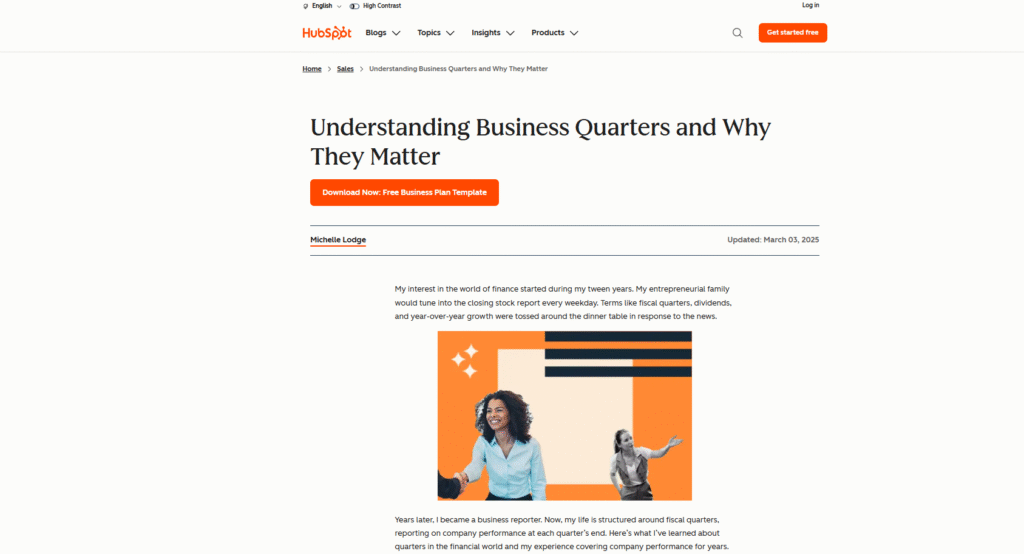
HubSpot: making something boring actually make sense
HubSpot was writing about business quarters and why they matter. Not just a definition. The kind of article that helps business owners understand how quarters affect their taxes, their reporting, and their decisions. They needed someone who could explain things you can’t just find on the SEC website.
Here’s what worked. My client’s expert explained the parts most people skip over. How quarterly reporting is really a strategic tool, not just a box to check. Why some countries stopped doing quarterly reports altogether. And how businesses line up their fiscal quarters with their sales cycles.
The result? A quote ran under my client’s name, word for word, no edits.
Here’s the pattern. HubSpot gets pitched all day, every day. What actually cuts through is a source who says something a journalist couldn’t just look up on Investopedia.
Case Study 2
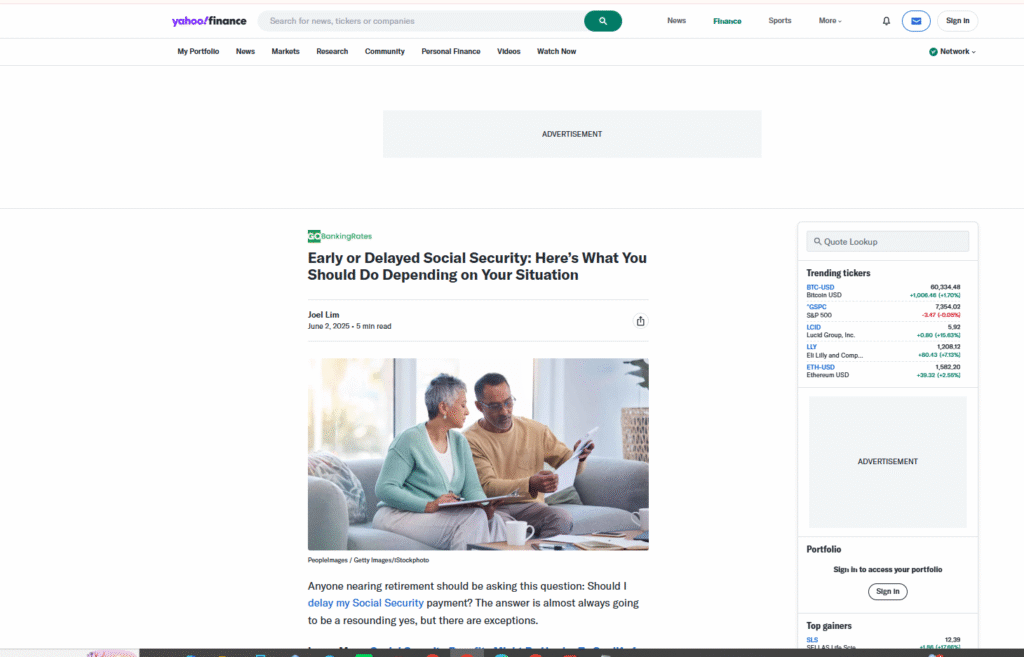
One pitch response ended up on four major platforms
GoBankRates was writing about when to claim Social Security. They didn’t want someone repeating the official rules. They wanted real tradeoffs, explained like actual advice. Dollar figures. Real scenarios. Someone honest enough to say not everyone should wait until 70.
Here’s what worked. I gave them exact monthly benefit amounts at 62, 67, and 70. I added commentary on health problems, low savings, and spousal situations that change the math completely.
The result? The piece ran on GoBankRates, then got picked up by Yahoo Finance, MSN, and Nasdaq. One pitch. Four placements.
Here’s the pattern. Syndication is the part people forget about. A strong enough answer doesn’t just earn you one placement. Sometimes other editors want to run it too.
Case Study 3

The journalist just needed someone who could explain insurance like a human.
A Women’s World reporter needed a licensed expert who could explain premiums, deductibles, and coverage limits without sounding like a robot reading a policy. She wanted the “why am I paying so much” version, not the fine print.
Here’s what worked. Plain answers to the questions people actually type into Google at midnight. What affects your rate. Why your state matters. Small moves you can make right now to lower your bill.
The result? Quotes ran word for word, in both the definitions section and the money-saving tips section. No rewrites needed.
Here’s the pattern. Lifestyle journalists don’t want a textbook. They want someone who makes their reader feel less confused, not more impressed.
Case Study 4
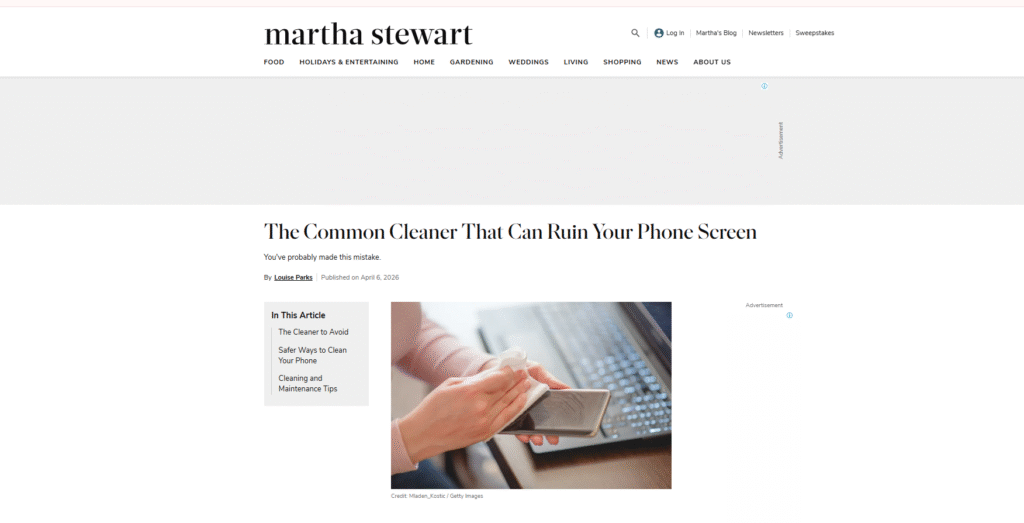
Giving the journalist exactly what she needed
Martha Stewart’s team was covering a mistake almost everyone makes, using glass cleaner on a phone screen. They needed a tech expert who could explain the damage and the fix in plain language, not a spec sheet.
Here’s what worked. I explained how ammonia strips the coating that protects your screen. How moisture can sneak into charging ports. Why paper towels leave tiny scratches over time. Then I gave a simple fix anyone could follow.
The result? The quote ran in both the problem section and the solution section of the piece.
Here’s the pattern. Lifestyle editors want experts who sound like a knowledgeable friend, not an instruction manual.
Case Study 5
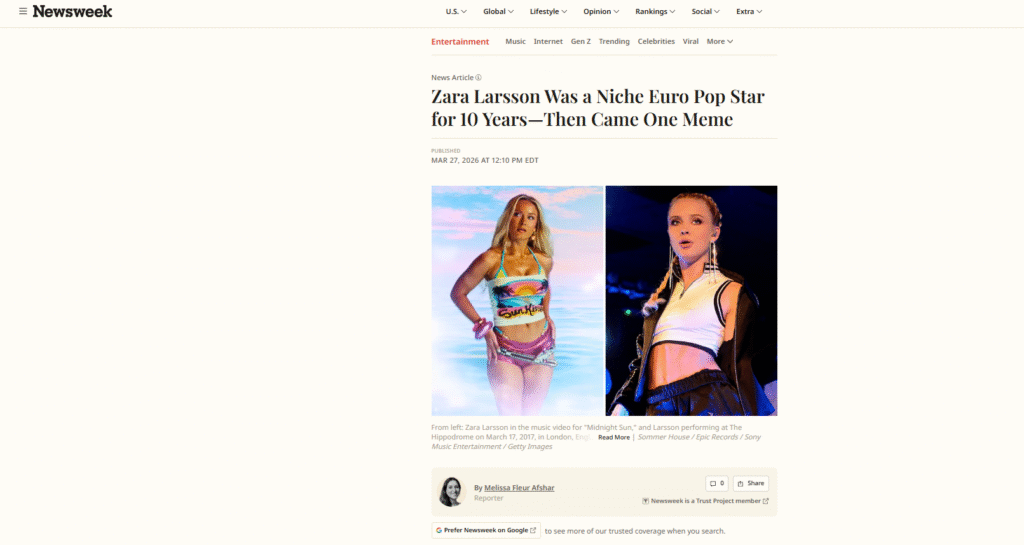
Giving them a framework, not just an opinion
A Newsweek reporter covering Zara Larsson’s comeback didn’t need a music insider. She needed someone who could explain the branding behind the moment. Why did leaning into a meme actually work when that usually backfires?
Here’s what worked. I positioned my client’s expert as someone who reads cultural moments, not just comments on them. That gave the journalist a real argument to build her story around, not just a quote to drop in.
The result? Four separate quotes ran through the whole feature. My client’s expert’s take anchored the entire brand strategy angle.
Here’s the pattern. Give a journalist a framework, and you’ll make the cut. Give them just a soundbite, and you probably won’t.
Case Study 6
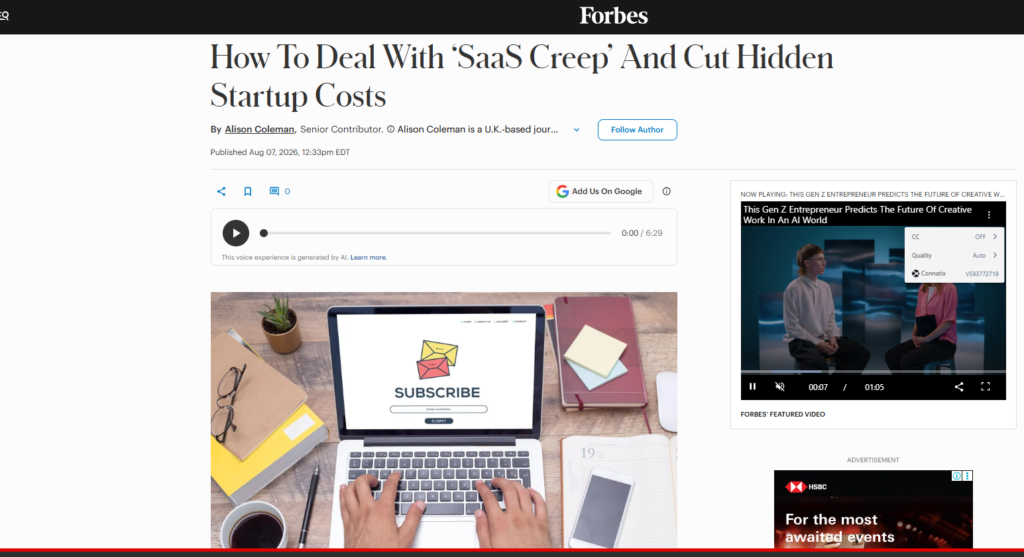
A framework you can use again and again
Forbes was writing about “SaaS creep,” how startups quietly rack up software subscriptions that eat into their margins. The reporter needed founders who could speak from real experience, not generic advice.
Here’s what worked. I shared a real story, discovering I was paying for five tools that all did the same job. Then I gave a simple three-question test anyone can use. Who actually used this in the last 30 days? Does it do something another tool doesn’t already do? What breaks if I cancel it today?
The result? The quote ran with my name attached and a link back to my site.
Here’s the pattern. A framework that’s simple and repeatable travels well. It’s easy for a journalist to quote and easy for a reader to remember.
The one thing all six have in common
None of these placements happened because someone said, “Here’s what my company does.” Every single one worked because it gave the journalist one of three things. A fact or experience they couldn’t get anywhere else. Something complicated explained. Or a clear framework that gave their story structure. If you’re trying to get quoted yourself, that’s the real test to run before you pitch anyone.
” PR doesn’t happen overnight. Patience, persistence, and hard work are what turn the right story into meaningful visibility”